
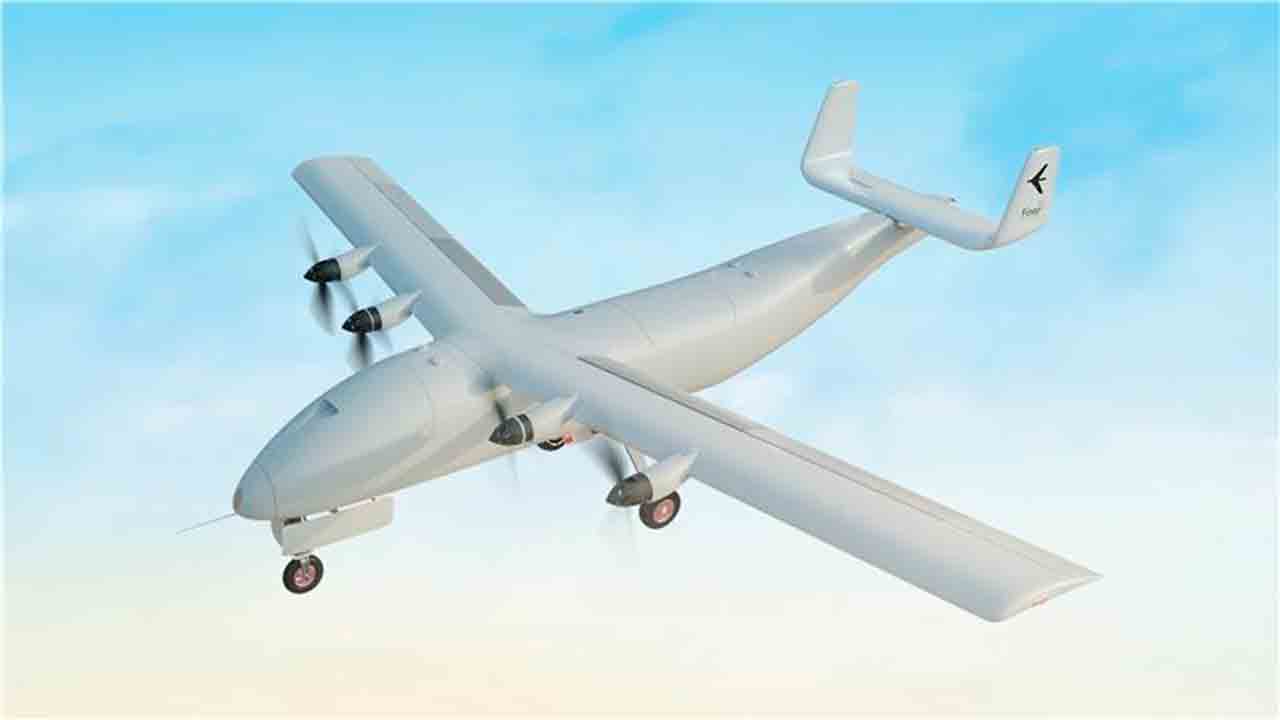
Embraer has just taken a bold step toward transforming aviation! The company announced it has successfully completed initial structural fatigue tests of the wing that will be used in its revolutionary New Technologies Demonstration Platform (PDNT), a project that promises to reshape the aerospace industry.
+ Secret Technology? What Can the Iranian Spy Ship Zagros Do?
The goal is to accelerate the development of disruptive technologies in aviation. In addition to Embraer, companies such as Alltec, Equatorial, Motora, and TecCer are also participating in this major milestone.
The initial tests showed that the new wing structure is capable of withstanding progressive loads that exceeded more than 200% of the expected limit! This innovation could lead to lighter, stronger, and more efficient aircraft, completely changing the future of commercial aviation.
“We are excited about the impact of this project, which brings together industry, government, and academia to create cutting-edge technology and train skilled professionals,” said Cleiton Silva, Vice President of Technology and Advanced Projects at Embraer. “Technological innovation is essential to accelerate sustainable aviation for the future and strengthen the competitiveness of the Brazilian industry.”
+ Renault unveils a fully electric ‘mini-supercar’
The tests were conducted at ACS Aviation in São José dos Campos, Brazil. What’s next? The manufacturing of the fuselage and empennage of the flying laboratory, which promises to bring even more advancements and surprises to the sector!
In addition to Embraer, the research involves some of Brazil’s leading science and technology institutes, including the Instituto Tecnológico de Aeronáutica (ITA), the Instituto Mauá de Tecnologia (IMT), the Instituto de Pesquisas Tecnológicas (IPT), and the São Carlos School of Engineering at the University of São Paulo (USP).
Source and image: Embraer. This content was created with the help of AI and reviewed by the editorial team.
